How Long Do Dental Implants Last? Lifespan and What Affects It
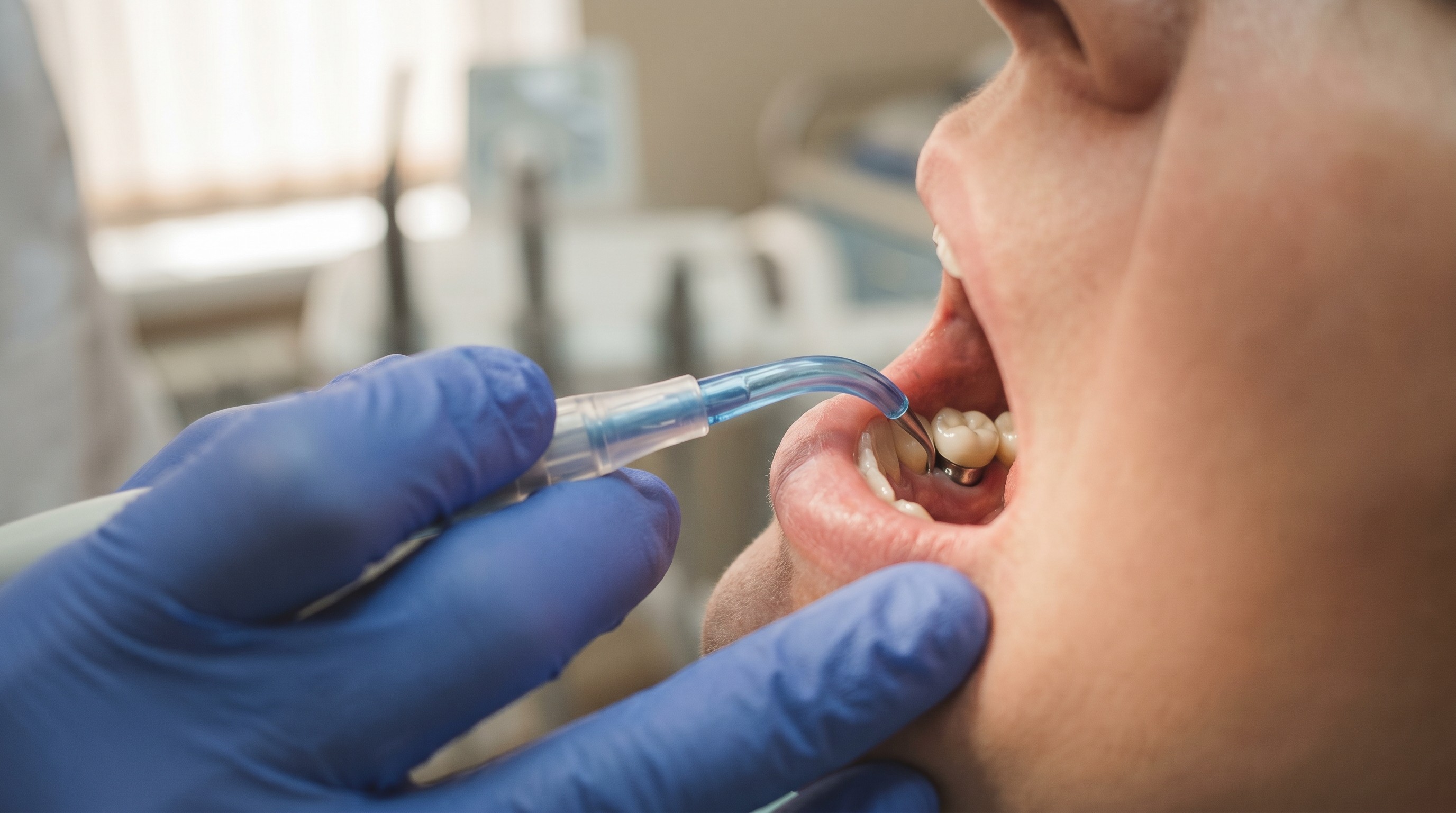
The titanium implant post can last a lifetime, with 10-year survival rates around 90-95% in published studies. The crown on top typically lasts 10-15 years before wear or chipping calls for replacement. Smoking, uncontrolled diabetes, grinding, and skipped cleanings are the biggest factors that shorten implant lifespan.
At Line Dental Aloha, we hear this question almost every week from patients weighing the cost against the years they expect to get back. It's a fair question. An implant is one of the larger investments you'll make in your mouth, and the math only makes sense when you know what you're actually buying.
So let's break it down honestly.
How long does a dental implant actually last?
A dental implant has two parts, and they age very differently. The titanium fixture (the screw that fuses to your jawbone) is designed to last a lifetime once it integrates. The crown on top, the visible white tooth, is the wear part.
Peer-reviewed implant survival studies, including Cochrane systematic reviews, consistently report 10-year survival rates of around 90-95% for well-placed implants. That number is remarkably stable across decades of research. Twenty-year data, while thinner, still shows strong retention when patients maintain their oral health.
So when a patient asks if their implant will "last forever," the honest answer is: the fixture probably will. The crown probably won't. Plan for both.
What shortens the lifespan of a dental implant?
Most implants that fail late (years after placement) fail for biological reasons, not mechanical ones. The American Academy of Periodontology identifies peri-implantitis, a gum infection around the implant, as the leading cause of late implant failure. It behaves like aggressive gum disease, and it can quietly destroy the bone holding your implant in place.
The risk factors that consistently raise the odds of failure:
Smoking. Multiple ADA-cited meta-analyses link smoking to significantly higher implant failure rates, both during healing and years later.
Uncontrolled diabetes. The NIDCR and dental research literature show poorly controlled blood sugar slows osseointegration and raises late failure risk.
Bruxism (teeth grinding). The Journal of Prosthetic Dentistry has documented how grinding stresses implant crowns and screws, leading to chips, cracks, and loosening.
Skipped recall visits. An implant cleaning is different from a natural-tooth cleaning, and small inflammation around the gumline can be caught a year before it becomes bone loss.
Low-density bone without grafting. Placing an implant into bone that wasn't ready is the most preventable cause of early failure.
That last one is on us as clinicians. The rest live with you between visits.
Implant vs crown: which part wears out first?
The crown wears out first. Almost every time.
The titanium post, once integrated, becomes part of your bone. It doesn't get cavities. It doesn't decay. Barring infection or trauma, it sits there and does its job. The porcelain or zirconia crown on top, however, faces hundreds of thousands of chewing cycles per year. According to AAOMS patient education materials, the prosthetic component generally has a shorter lifespan than the fixture due to mechanical wear.
Average replacement cycle for the visible crown: roughly 10 to 15 years. Some patients get 20. Some patients with heavy bites get 7.
One important distinction: a loose abutment screw is not implant failure. We see this occasionally, especially in patients who grind. We unscrew the crown, tighten the abutment, and reseat it. Fifteen-minute visit. The implant itself is fine.
The fixture is forever. The crown is a wear part. Budget for both, and you'll never be surprised.
How can I make my dental implant last longer?
The patients whose implants we've watched age beautifully share a few habits. None of them are complicated.
Daily brushing and flossing under the crown. A floss threader or implant-specific floss reaches the spot where peri-implantitis starts.
Water flosser. Especially helpful for posterior implants and implant-supported bridges.
Professional cleanings every 6 months with plastic or titanium-safe instruments, not steel scalers that scratch the abutment.
A night guard if you grind. We fit a lot of these for Intel and Nike engineers commuting in from Hillsboro and Beaverton. Stress grinding is real, and the implant crown will lose that fight long before your enamel does.
Quit smoking. Manage blood sugar. The two single highest-impact decisions for long-term implant survival.
Annual implant-specific exam with X-ray to check bone level around the fixture.
One patient story we think about often: a software engineer in his late forties who'd commuted years on Highway 26 between his home near 185th and the Ronler Acres campus. He had a single posterior implant placed elsewhere about twelve years before he found us. Crown looked dated, slight chip on the cusp. Fixture? Perfect bone level. We made a new crown, kept the original implant, and sent him on his way. That's exactly how this is supposed to go.
When should you call us about an existing implant?
Even a well-placed implant can develop a problem years later. Call us, or any dentist, if you notice:
Bleeding or pus around the implant when you brush
Looseness of the crown or, more seriously, the implant itself
Gum recession exposing the metal collar of the abutment
Pain when biting after months or years of comfort
A bad taste that won't go away
Caught early, almost all of these are fixable. Caught late, some aren't. That's the whole reason we do annual implant checks.
If you have an existing implant from another office and you've moved to the Aloha, Beaverton, or Hillsboro area, you're welcome to come in for an evaluation. We see a lot of patients from the Korean-speaking community across Aloha-Beaverton-Hillsboro who want a long-term dental home, and our Alexander Street office is set up for exactly that kind of continuity care.
Frequently Asked Questions
Do dental implants ever need to be replaced?
The titanium fixture rarely needs replacement once it integrates with the bone. The crown on top, however, commonly needs replacement after 10 to 15 years due to wear, chipping, or aesthetic reasons. Replacing the crown is a much simpler procedure than replacing the whole implant.
Can a dental implant last 30 years?
Yes, and many do. Long-term studies and clinical experience both show implants reaching 25, 30, and even 40 years when patients maintain good oral hygiene, attend regular cleanings, and don't smoke. The crown will likely have been replaced once or twice in that window, but the underlying fixture can keep going.
Does insurance cover replacing an implant crown?
Coverage varies widely. Some PPO plans cover crown replacement after a set time period (often 5 to 7 years), while others classify implant crowns differently. At Line Dental Aloha, we verify benefits before treatment and walk you through what your plan actually pays. Call us to check your specific coverage.
What's the most common reason implants fail late?
Peri-implantitis, a bacterial infection around the implant that destroys the supporting bone. It often starts as bleeding gums around the implant and progresses quietly. Regular cleanings and good daily hygiene are the single best defense.
How often should I get my implant checked after it's healed?
Every six months for a standard cleaning, plus an annual implant-specific exam that includes an X-ray to check bone level around the fixture. This catches small problems while they're still reversible.
If you're weighing dental implants or want a check on one you already have, call Line Dental Aloha at (503) 259-8641. We're at 18425 SW Alexander St in Aloha, easy to reach from Highway 217 and the TV Highway corridor, and we're happy to walk you through what a lifetime of implant care actually looks like.
Schedule Your Visit Today
At Line Dental, we understand that patients may have many questions before scheduling an appointment or visiting our office. Below are answers to some of the most frequently asked questions. If you have additional inquiries, please feel free to contact us at 503-259-8641 or via our online form.